Although no executions have taken place in Lebanon since 2004, due to a de facto moratorium, the death penalty remains part of the law until it is abolished. At the end of 2025, 84 people, including seven women, were still being held on death row in Lebanese prisons, most of them in particularly harsh conditions.
“ECPM is particularly honoured to have supported, alongside its Lebanese partners, the movement that led to this historic breakthrough. By abolishing the death penalty, Lebanon is reaffirming its commitment to the right to life, human dignity and the rule of law. This is a decision that brings hope and paves the way for a fairer and safer society.”
Raphaël Chenuil-Hazan, Director of ECPM
This historic milestone is the result of several decades of campaigning by Lebanese civil society, led by the Lebanese Association for Civil Rights (LACR) and the Justice and Mercy Association (AJEM), as well as Antoinette Chahine, a former death row prisoner, who have fought tirelessly, guided by the values of humanism and non-violence.
ECPM extends its deepest gratitude to them and pays tribute to their commitment, whilst also congratulating all Lebanese parliamentarians and political figures who have made this major step forward for human rights possible.
This abolition takes particular significance at a time when Lebanon has been facing multiple crises – institutional, political, financial and humanitarian – for many years, against a background of conflicts and security challenges that have recently intensified. By choosing to abolish the death penalty in such a difficult context, the Lebanese authorities are today sending a strong message: whatever the circumstances, capital punishment is by no means a solution. It is a dead end that leads away from justice and only perpetuates the cycle of violence and suffering.
The campaign for abolition: a long process that has been underway since the 2000s
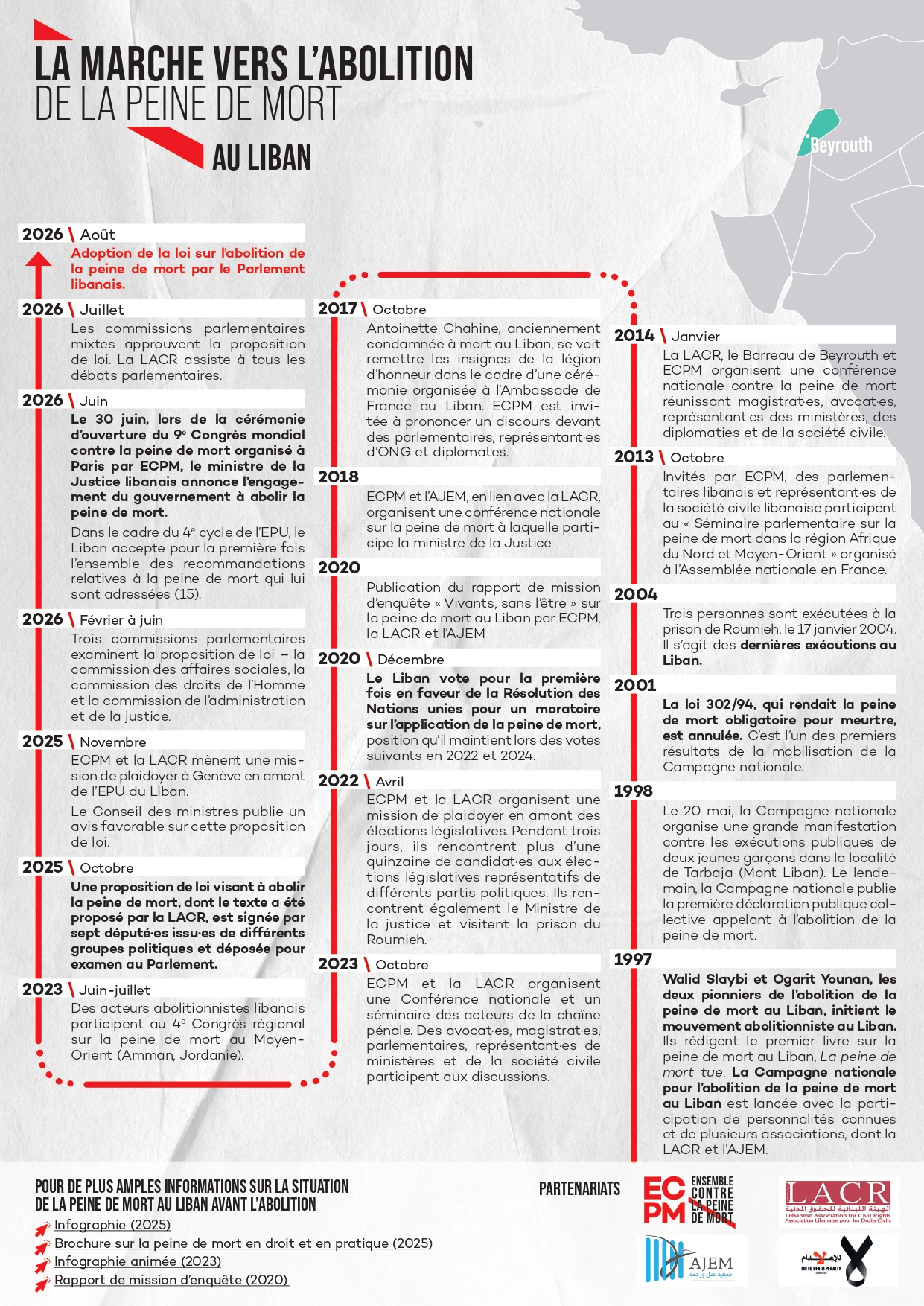
Over the past 25 years, there have been several milestones along the way that have led to the definitive abolition of the death penalty in Lebanon, marked by a series of reforms, political statements and diplomatic advances.
The first step was taken in 2001 with a legislative reform that narrowed the scope of the death penalty by repealing Law 302/94, which mandated the death penalty for murder.
In 2004, three people were executed in Lebanon. These executions were the last to be carried out in the country, which has been considered to be under a moratorium on executions since 2014.
On several occasions, successive Ministers of Justice have clearly come out in favour of abolition. As early as 2008, Ibrahim Najjar opposed the death sentences handed down to 19 people. His successors – Chakib Cortbaoui, Ashraf Rifi, Salim Jreissati Hoss and Adel Nassar – in their turn reaffirmed their support for abolition. (See box below)
From 2020 onwards, Lebanon has also been sending encouraging signals on the international stage. For the first time, it voted in favour of the United Nations General Assembly resolution calling for a moratorium on the use of the death penalty, a position it reiterated in the votes held in 2022 and 2024.
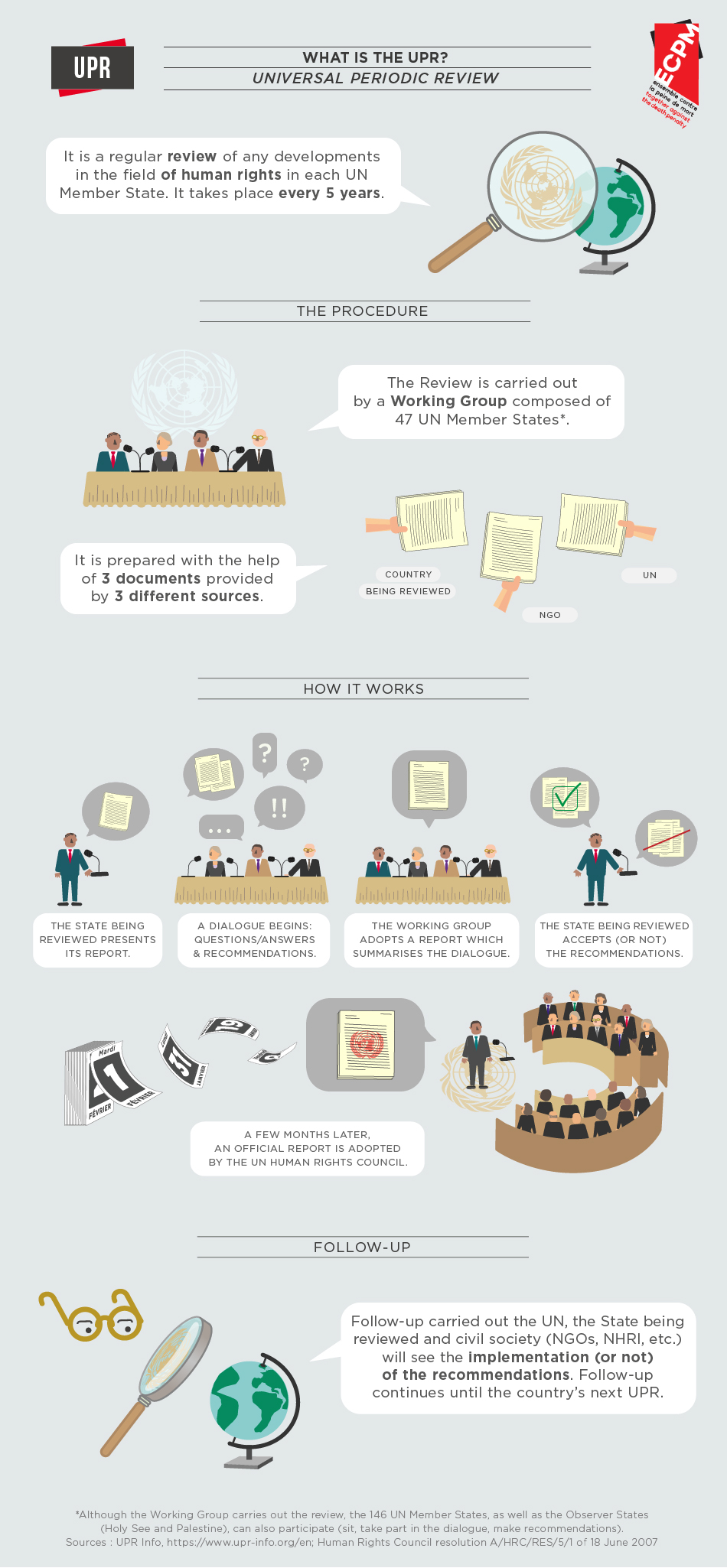
In 2026, the human rights situation in Lebanon was once again reviewed by the United Nations Human Rights Council. As part of the adoption of the report for the fourth cycle of the Universal Periodic Review (UPR), the Lebanese authorities accepted, for the first time, all the recommendations relating to the death penalty that had been addressed to them. A few months later, the passing of the law permanently abolishing capital punishment confirmed this long-term trend.
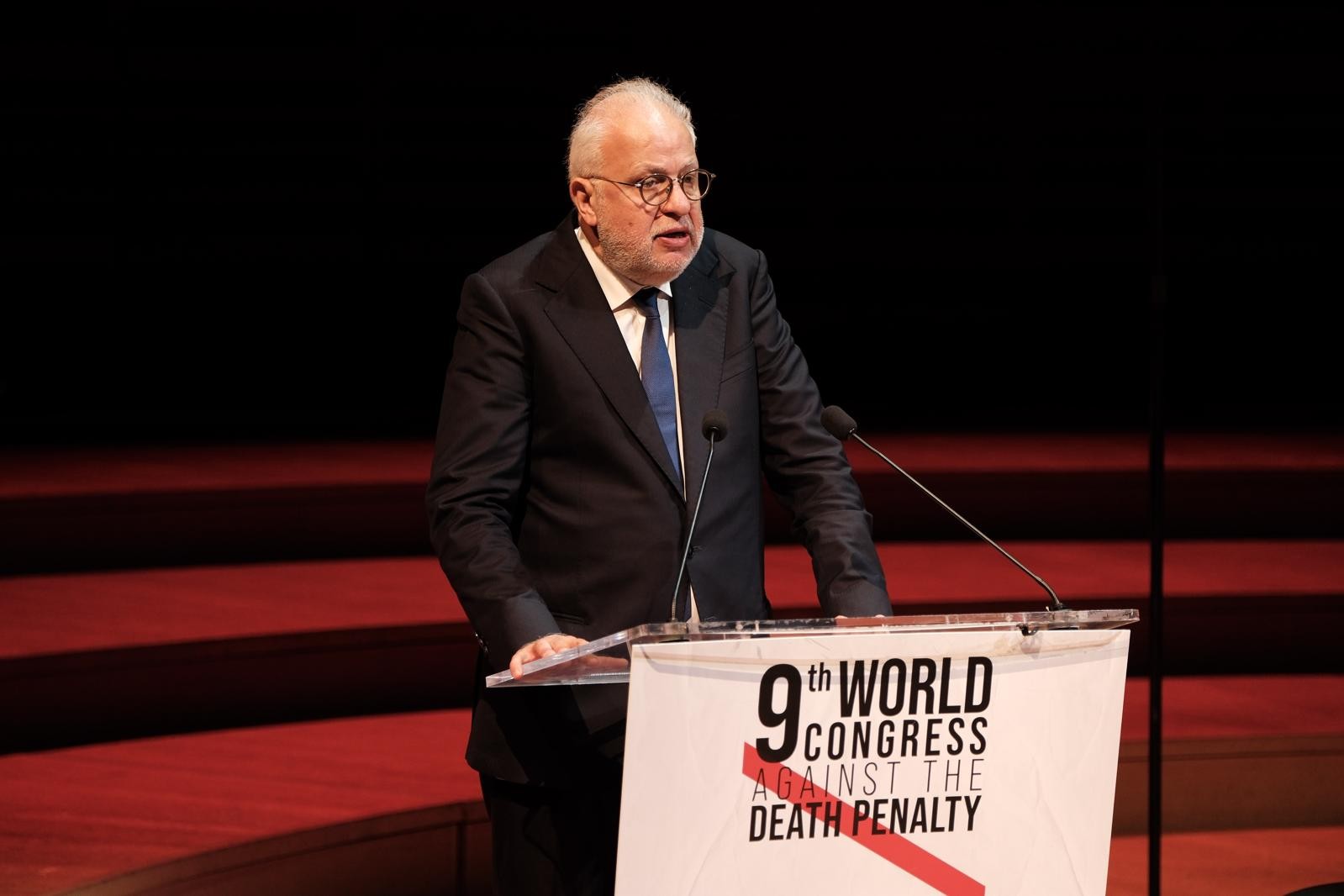
“The justice system must ban the death penalty rather than rely on it.”
On 30 June 2026, Adel Nassar, Minister of Justice of the Lebanese Republic, addressed the opening ceremony of the 9th World Congress Against the Death Penalty, organised in Paris by ECPM.
On this occasion, he reaffirmed the Lebanese authorities’ commitment to moving towards the abolition of the death penalty and expressed his hope that the legislative work currently underway in Lebanon to this end would be successfully concluded.
The decisive role of civil society over the past 30 years
This major step ahead for human rights and for the cause of universal abolition is the result of decades of campaigning carried out as part of the ‘National Campaign for the Abolition of the Death Penalty in Lebanon’. The campaign has brought together legislators, judges, journalists, national and international civil society organisations, educational institutions, victims’ families, and people who were previously sentenced to death or are currently in detention.
Launched in 1997 on the initiative of several Lebanese organisations, including the Lebanese Association for Civil Rights (LACR) and the Justice and Mercy Association (AJEM), the campaign was also supported by a number of prominent activists from the abolitionist movement, such as Ogarit Younan, Walid Slaybi and Father Hadi-el-Aya.
Following the publication of the first reference study on capital punishment in Lebanon, the National Campaign organised, in 1998, a major demonstration against the public executions of two young men in the town of Tabarja (Mount Lebanon). The following day, the first collective public statement was issued calling for the abolition of the death penalty. Since then, Lebanese civil society has continued to mobilise relevant stakeholders to advance the campaign for abolition, by raising awareness of human rights amongst youth, maintaining an ongoing dialogue with policy-makers, and supporting those sentenced to death throughout their detention.
The exceptional commitment of Ogarit Younan, as head of the LACR and the National Campaign, was recognised by the abolitionist community at the Robert Badinter Grand Prix during the 8th and 9th World Congresses Against the Death Penalty, where she was a finalist on two occasions.
ECPM is particularly proud of its long-standing partnership with the LACR and the AJEM. Together, these organisations have consistently advocated to the national authorities and have engaged in frequent dialogue with successive Ministers of Justice and numerous members of parliament.
This work has been based on the ongoing production of resources designed to document the reality of the death penalty and to inform public debate. These include, in particular, the fact-finding mission report ‘Alive Without Being’, a brochure on the death penalty in law and in practice, a country infographic, several alternative reports submitted ahead of the Universal Periodic Reviews (UPR) and reviews of Lebanon by United Nations treaty bodies, as well as a training manual.
In addition to this research and advocacy work, ECPM and LACR have, over the years, organised several national conferences, training courses for actors involved in the criminal justice system, and awareness-raising initiatives targeting young people. These initiatives have helped to gradually expand the abolitionist movement and strengthen support for the abolition of the death penalty in Lebanon.
Retrieve all ECPM’s publications on Lebanon

A glimmer of hope in a region where the majority of people are in favour of the death penalty
Lebanon has become the first country in the Middle East to abolish the death penalty for all crimes, thereby opening up new prospects for the abolitionist movement in the region. While neighbouring Gulf states all retain the death penalty in their legislation and continue to carry out executions, Israel – which has abolished the death penalty for ordinary criminal offences – has recently extended its use of the death penalty in a discriminatory way against Palestinians.
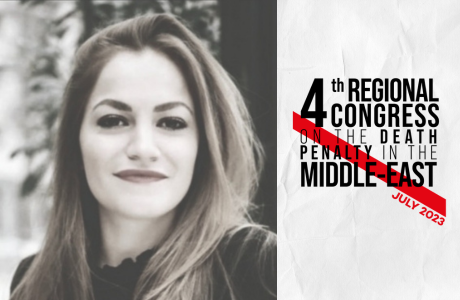
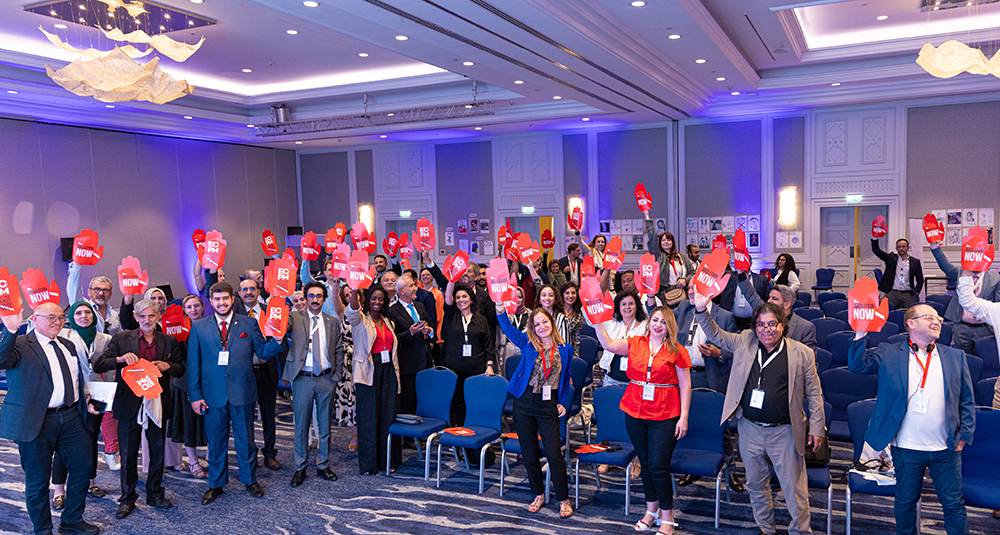
Convinced that national progress is fuelled by regional momentum, ECPM has been working for many years to strengthen the abolitionist movement in the Middle East. In 2023, the association organised the 4th Regional Congress on the Death Penalty in the Middle East in Jordan, the very first event of its kind in the region. Nearly 200 participants from 15 countries gathered in Amman to strengthen and unite the regional abolitionist movement, including a large delegation of Lebanese abolitionists.
Within the framework of the Organisation of Islamic Cooperation (OIC), Lebanon’s abolition of the death penalty brings the number of member states that have abolished capital punishment for all crimes or for ordinary crimes to 21 (37 per cent).
To complete this process fully, Lebanon will now need to ratify the Second Optional Protocol to the International Covenant on Civil and Political Rights, which aims to abolish the death penalty.
Aller plus loin