“Despite the crises and attempts to turn back the clock, this Congress highlights an indisputable reality: abolition is making progress. An ever-increasing number of legal professionals, governments, international institutions, civil society organisations and young people are working to ensure that the death penalty becomes a thing of the past,”
Raphaël Chenuil-Hazan, Director-General of ECPM
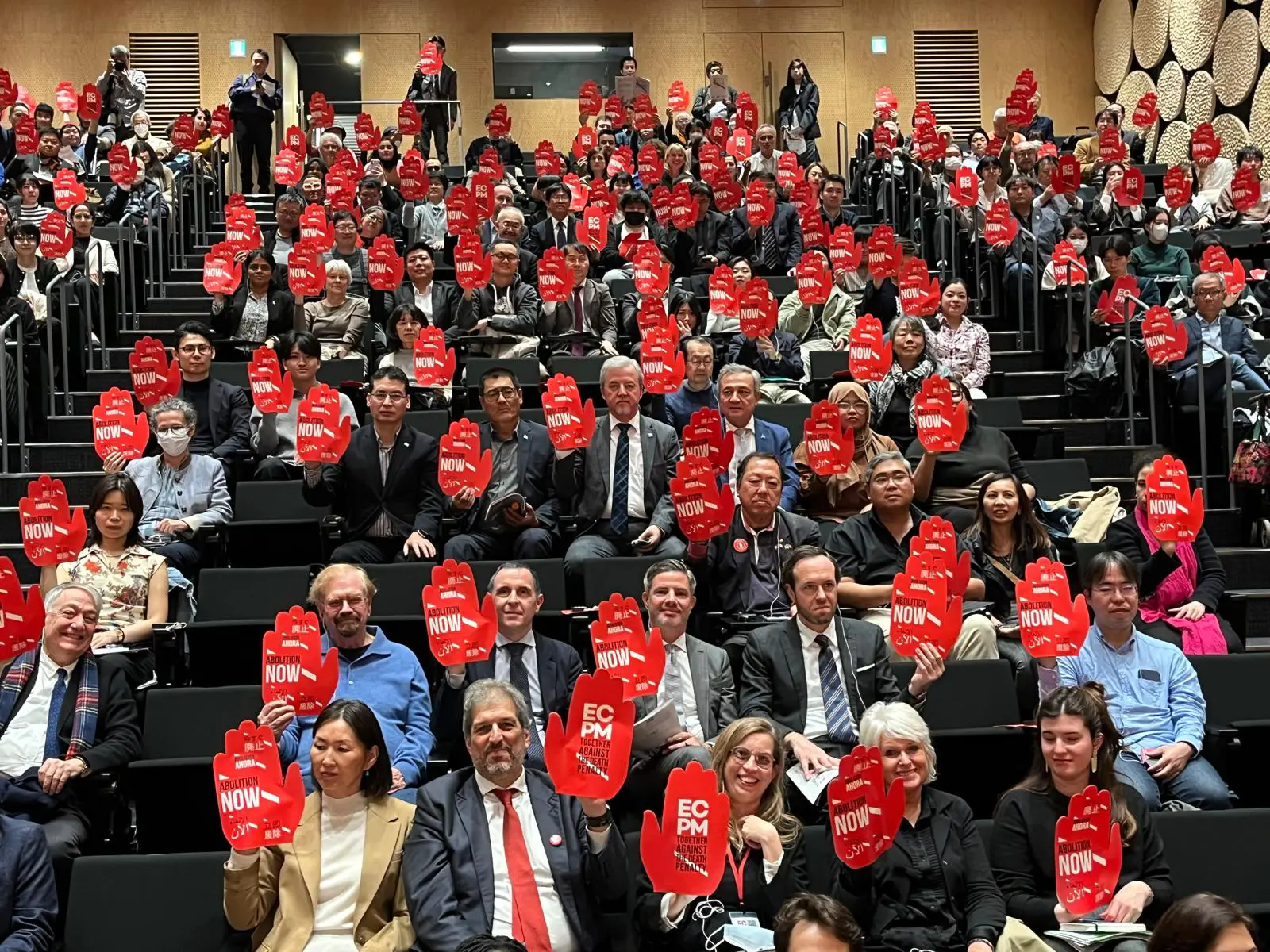
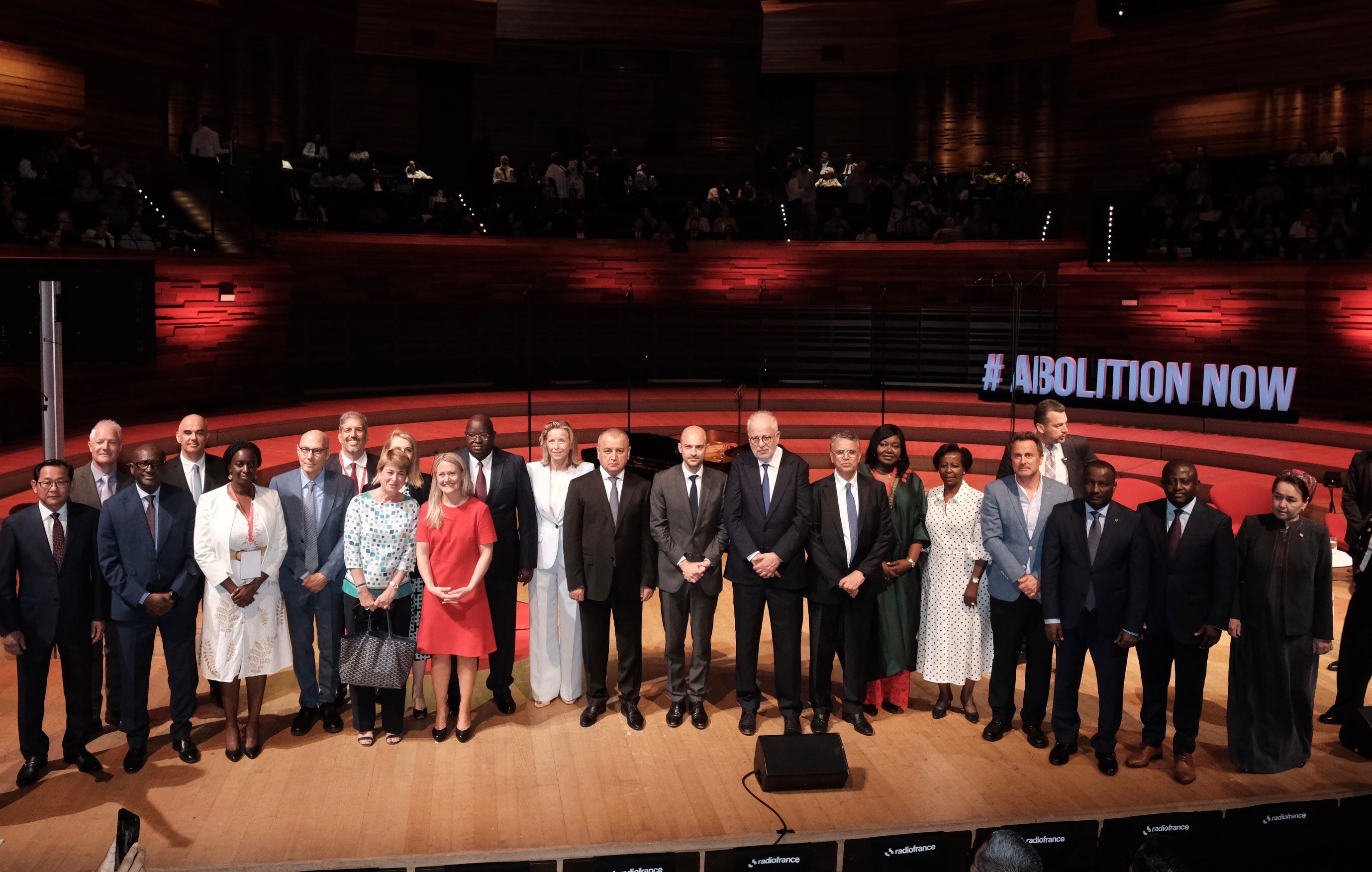
Organised by Ensemble contre la peine de mort (ECPM), under the patronage of France – the host country of the Congress – the European Union and Switzerland, the event brought together high-level politicians, judges, lawyers, diplomats, international experts, civil society organisations, academics, artists and eyewitnesses to the death penalty.
Over the course of three days, participants discussed key contemporary issues: the resurgence of executions, drug trafficking, discrimination, justice, socio-economic impact and the role of the judiciary, whilst placing a central focus on personal testimonies, culture and young people.
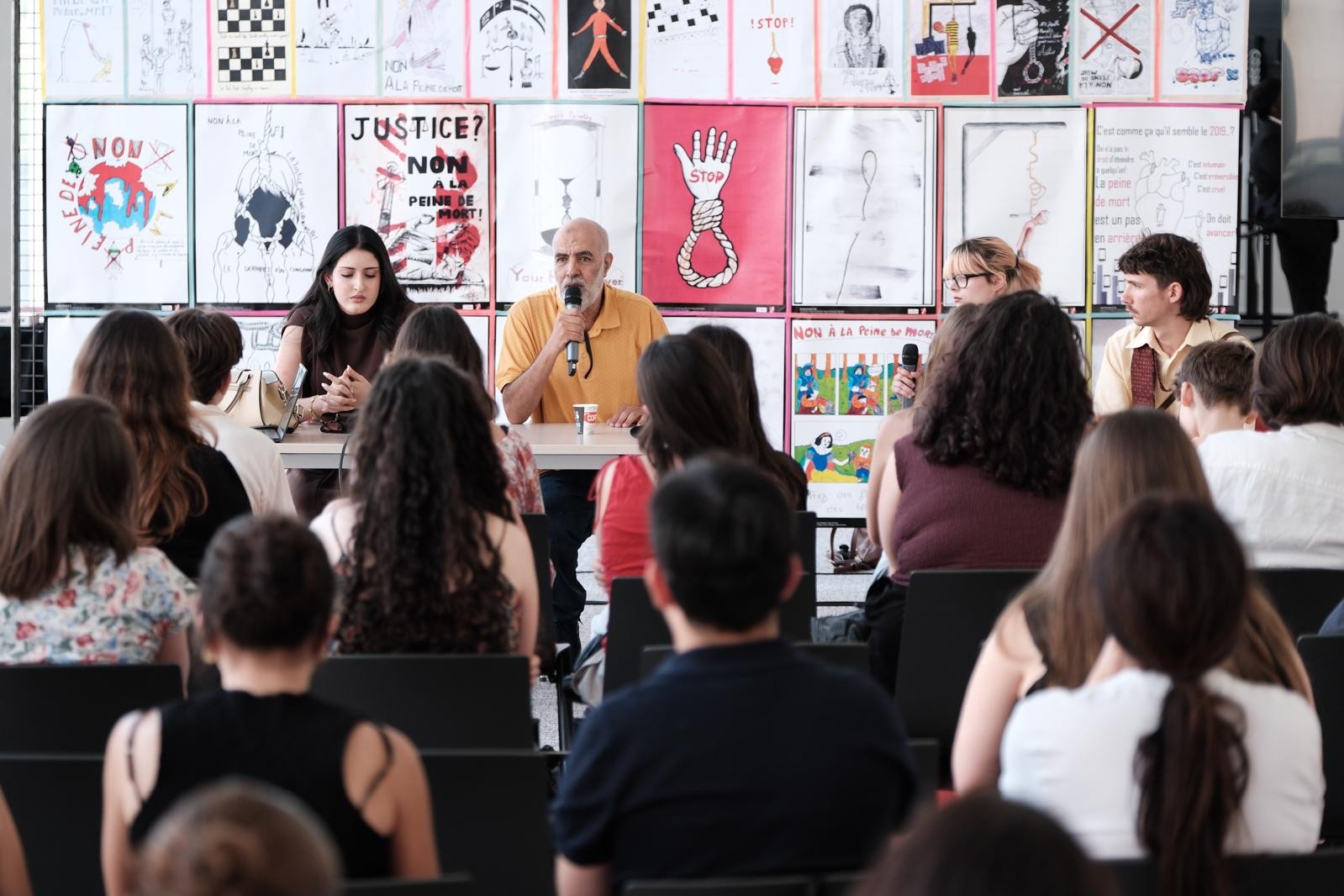
Fifty young ambassadors from 30 countries took part in the Congress alongside numerous French secondary school pupils and university students, illustrating the commitment to passing on abolitionist values to new generations.
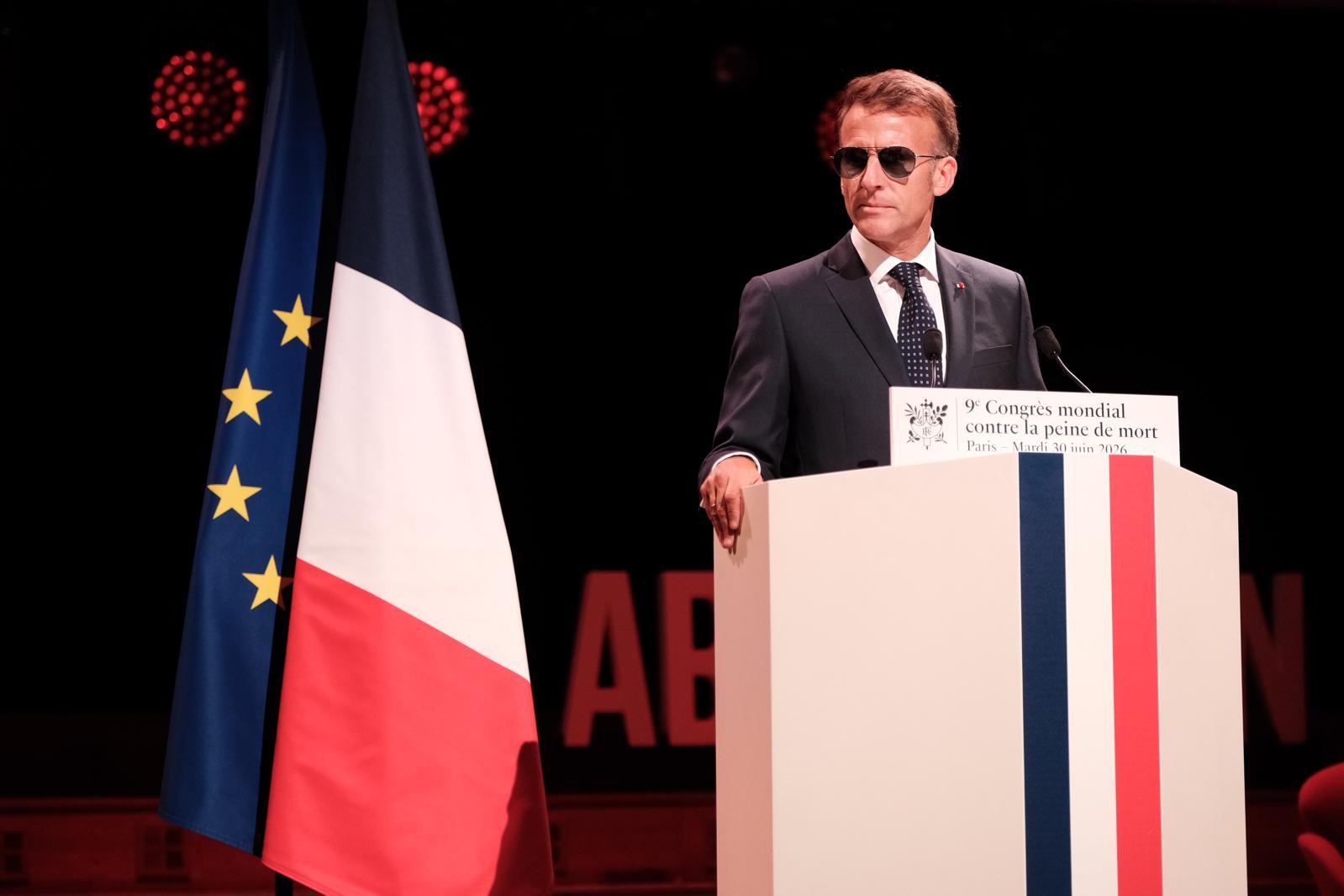
On the fringes of the Congress, the President of the French Republic, Emmanuel Macron, came to greet the participants and to reiterate that “The battle for abolition, because it is a battle for human dignity, is eminently contemporary”, thereby reaffirming France’s commitment to universal abolition.
Beyond the debates, the Congress was marked by several important announcements confirming that the march towards abolition continues.
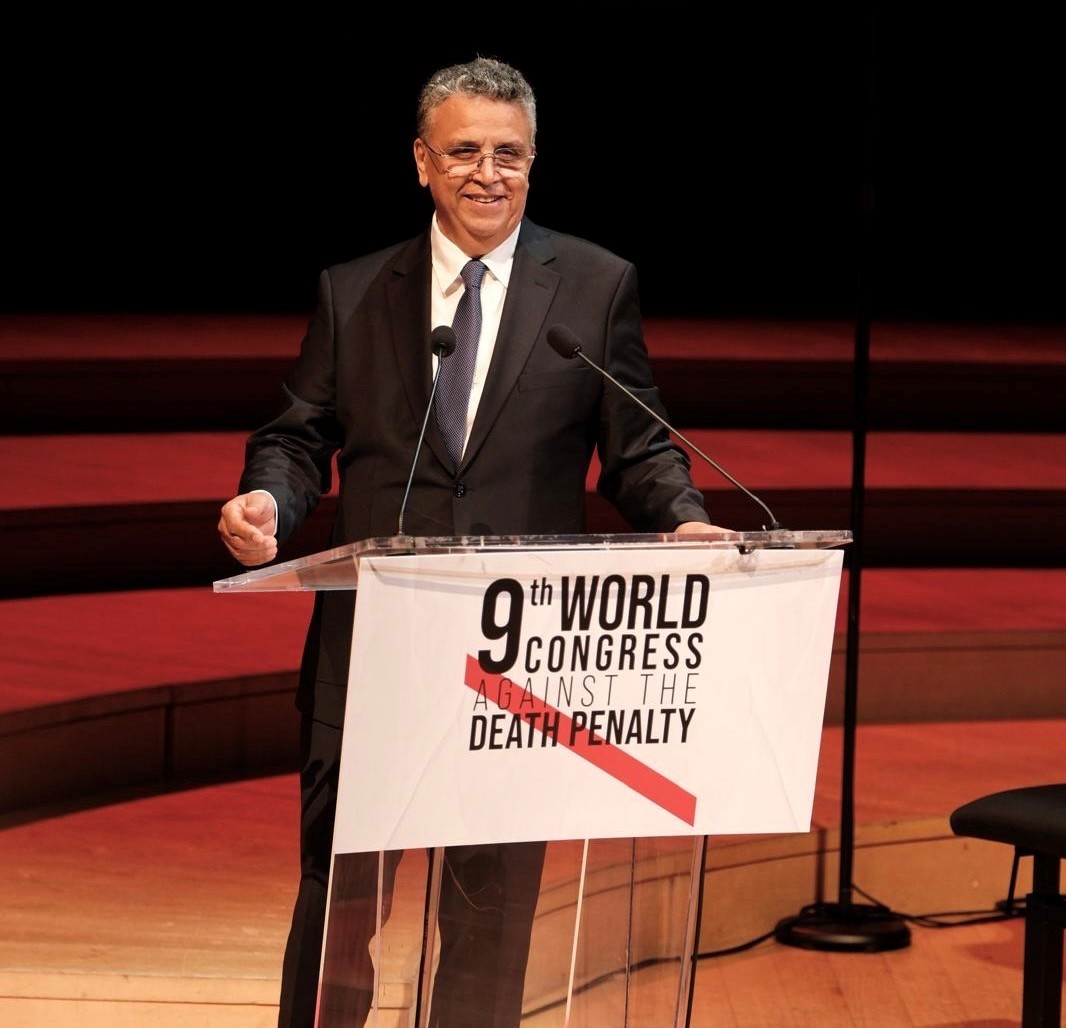
Lebanon’s Minister of Justice Adel Nassar announced his government’s commitment to abolishing the death penalty:
“Perhaps it is precisely because my country has been plagued by violence for so long that this determination takes on its full meaning (…) The Lebanese judicial system must no longer be called upon to take a life.”
For its part, Morocco has expressed its wish to host the 10th World Congress Against the Death Penalty in three years’ time, demonstrating the growing role played by the African continent in the abolitionist movement.
“Morocco’s invitation to host the next congress against the death penalty is a powerful gesture; the country is moving towards abolition and perhaps in three years’ time – as we firmly hope – we will hold the congress in a new abolitionist country.”
Aminata Niakaté, President of ECPM
Further announcements have reinforced this momentum, notably: the joint declaration signed by 75 independent UN experts represents an unprecedented commitment to addressing the discriminatory nature of the death penalty and its socio-economic impacts. A key highlight of the Congress was the announcement of Sierra Leone’s ratification of the Second Optional Protocol to the United Nations International Covenant on Civil and Political Rights, aiming at the abolition of the death penalty, as well as the commitments made by Chad, Cambodia and the Central African Republic to ratify it.
Above all, the Congress was a gathering of women and men who have experienced the reality of the death penalty first-hand. Former death row inmates, families of those executed, victims of miscarriages of justice and human rights defenders shared their personal stories, all conveying the same message: that of justice rather than vengeance, of human dignity and the inalienable value of every life.

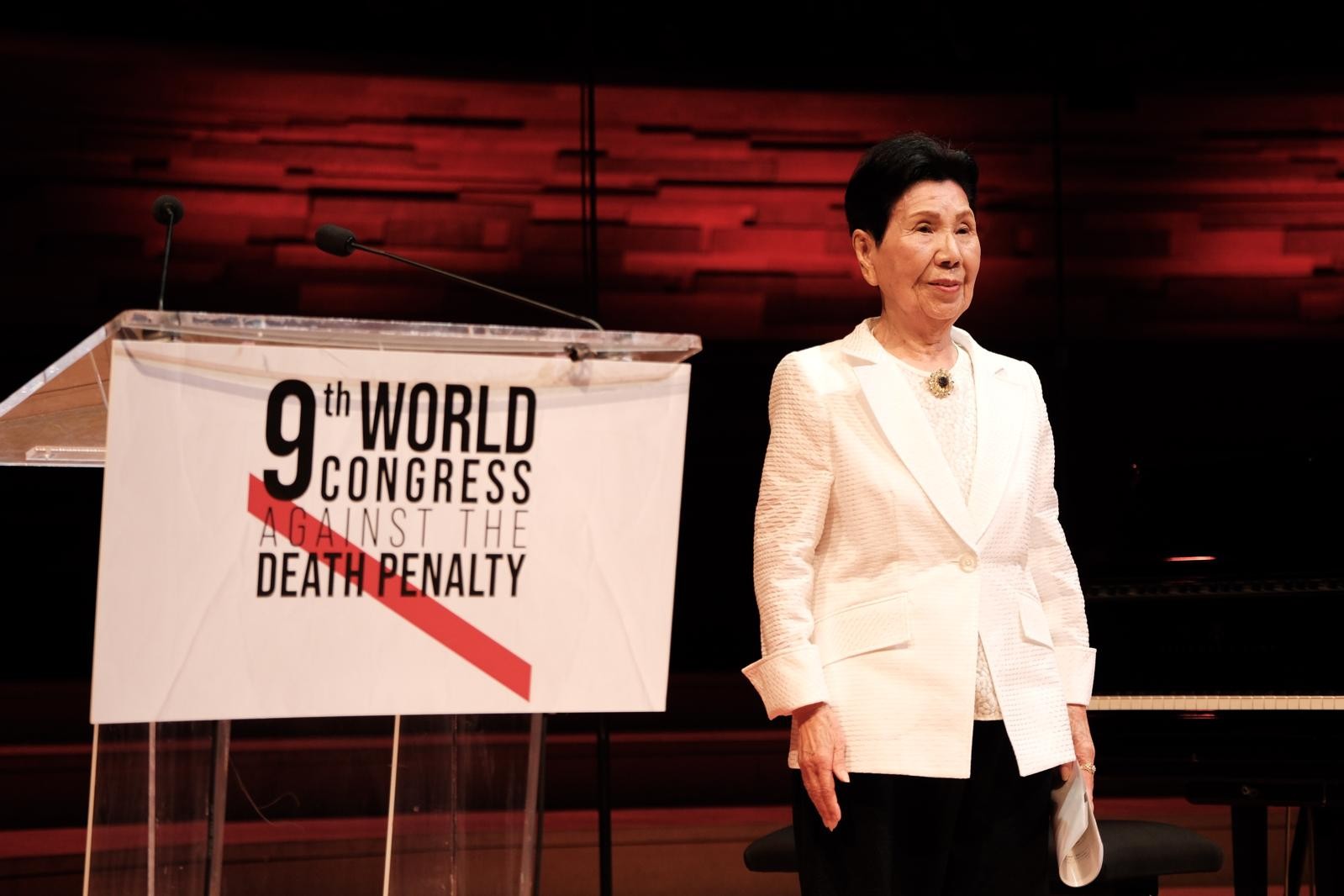
Among them was Hideko Hakamata, who has devoted more than fifty years to proving the innocence of her brother Iwao Hakamata, who was acquitted in 2024 after spending 46 years on death row in Japan: “Just because my brother Iwao has been saved does not mean I must stop. I will not remain silent. On the contrary, I will not stop speaking out. There are so many others on death row, sometimes wrongly convicted, who are suffering. The death penalty must be abolished in Japan and throughout the world. Many people think it no longer exists in Japan. I have come to Paris to say that this is not true and to call for international pressure to be brought to bear.”
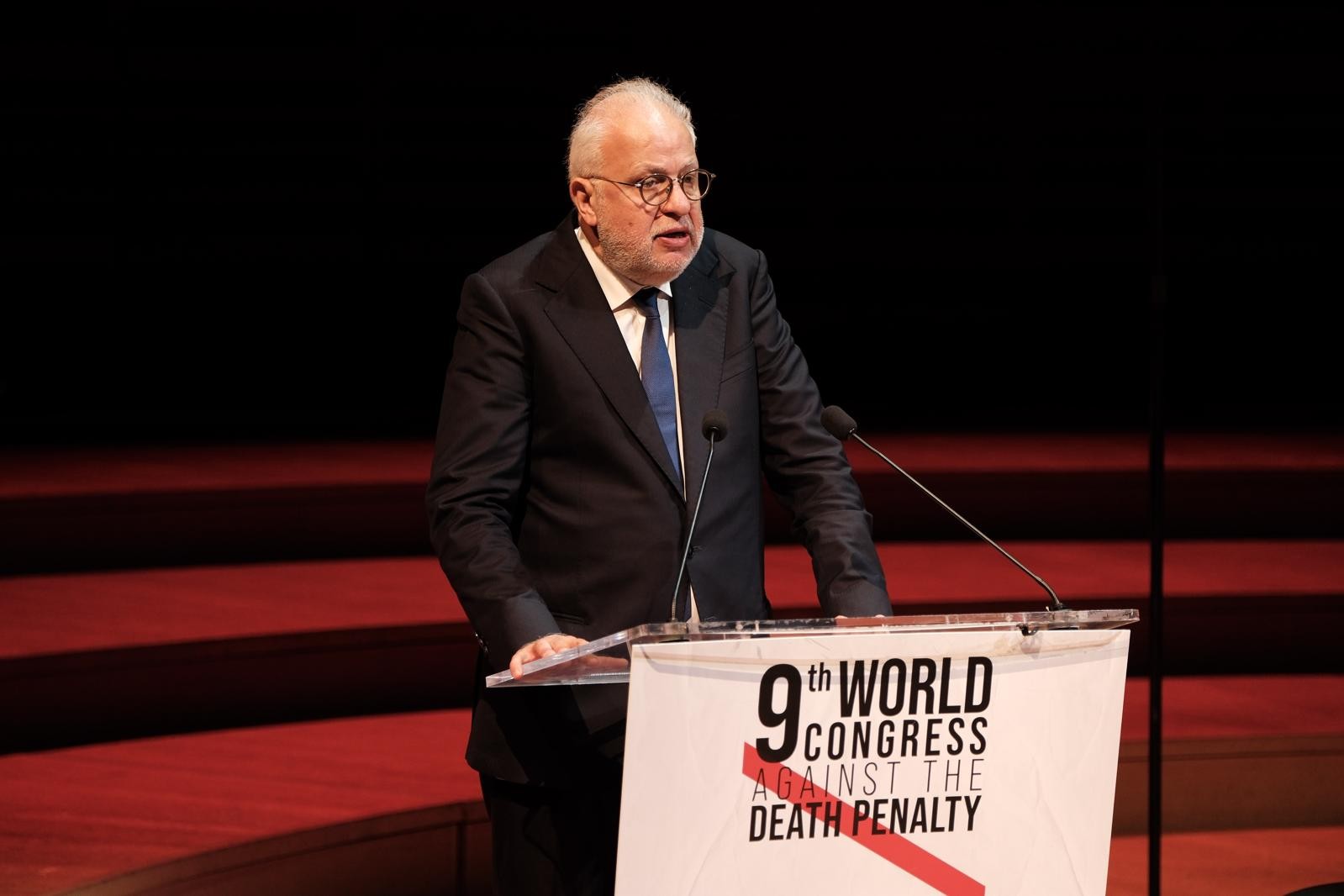
The Congress also gave the floor to Philippe Maurice, a historian and research fellow at the EHESS and the CNRS, the last person sentenced to death to be pardoned before the death penalty was abolished in France 45 years ago: “There is no good reason to kill a man. (…) The death penalty does not merely kill a criminal; it also destroys his loved ones. ” Philippe Maurice is proof that a second chance is possible and that abolition is a victory for justice over the irreversible.
Their voices, like those of dozens of other speakers from the United States, Japan, Iran, Lebanon, Africa, Asia and Europe, served as a reminder that behind every death sentence lie lives, families and stories that transcend borders.
Under the patronage of Yaël Braun-Pivet, President of the National Assembly, the closing ceremony brought together political leaders, parliamentarians, international representatives, artists and civil society activists united by a shared commitment.
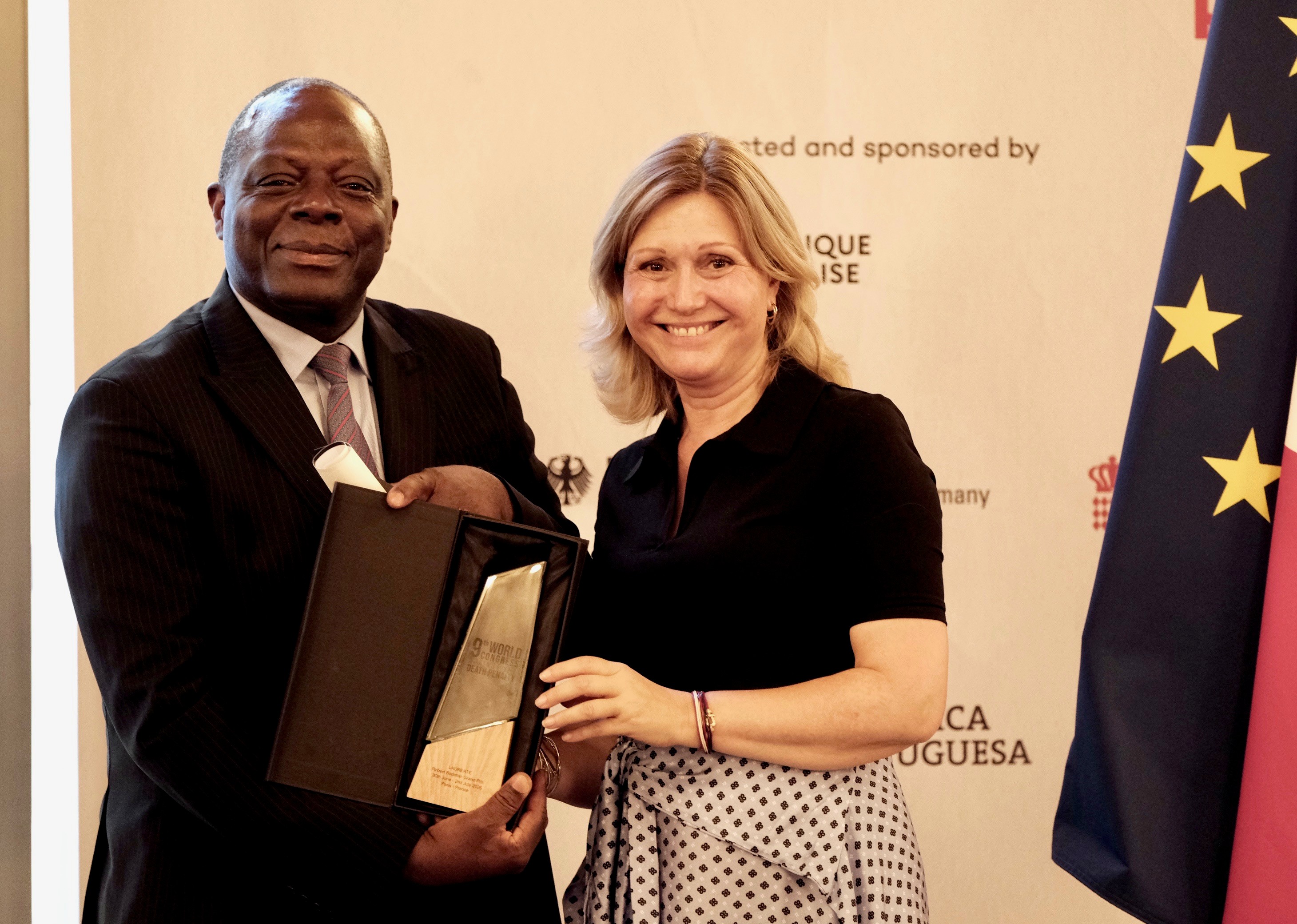
The Robert Badinter Grand Prix was awarded to the criminal defence lawyer from the Democratic Republic of the Congo, Maître Lievin Ngondji, in recognition of his exceptional commitment to universal abolition. Maître Ngondji co-founded the World Coalition Against the Death Penalty, three regional abolitionist networks, and Culture for Peace and Justice (CPJ), an abolitionist organisation that campaigns for human rights.
The Abolition Awards also recognised several individuals and organisations working on the ground.
The ceremony was followed by a collective artistic event, symbolising the international mobilisation gathered in Paris.
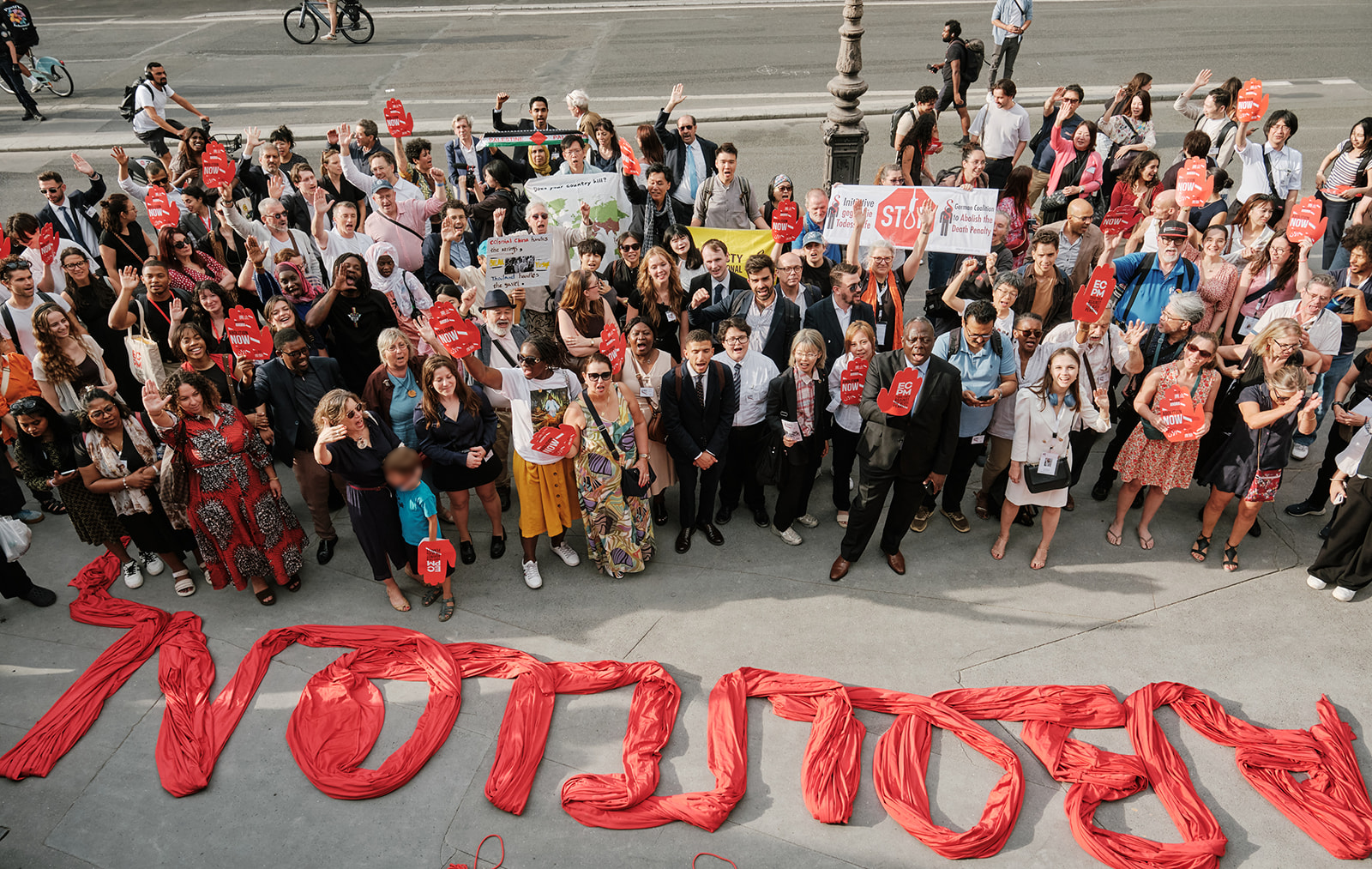
The 10th World Congress Against the Death Penalty is now scheduled to take place in 2029.
© Photo copyright: Christophe Meireis
To learn more