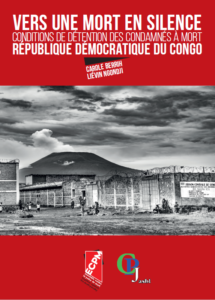
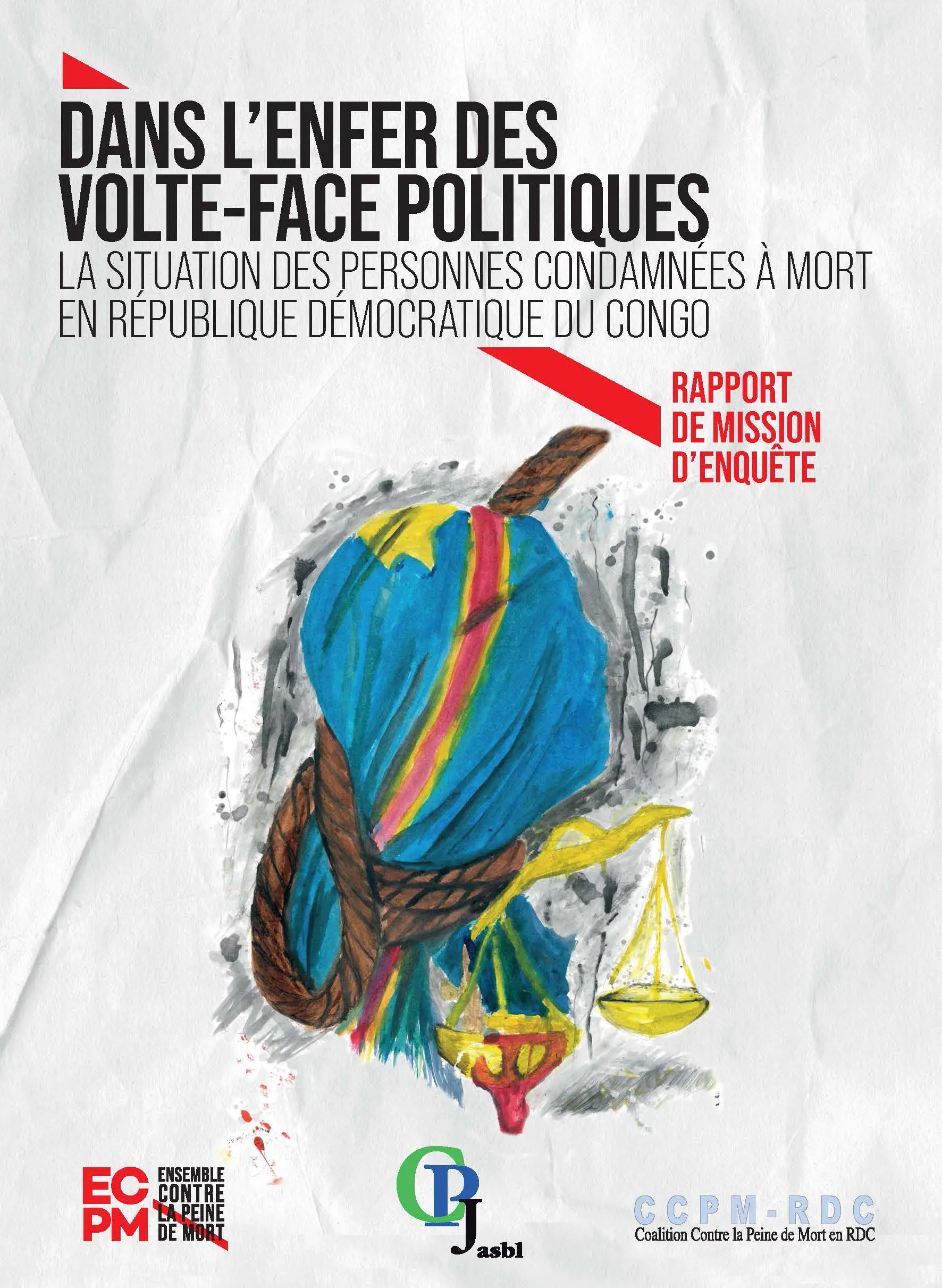
The current situation in the DRC is set against a backdrop of a major political turning point: on 13 March 2024, a circular from the Ministry of Justice ended the moratorium on executions that had been in place since 2003. This decision now puts several hundred people on death row at risk of execution, against a backdrop of a continuous rise in death sentences.
According to abolitionist groups, more than 480 death sentences were handed down in 2024 alone, representing a 300% increase compared to 2023 and the highest level recorded in the last twenty years.
Between September 2024 and August 2025, ECPM and CPJ conducted an eleven-month fact-finding mission in around twenty prisons and detention camps across the country. More than 270 people on death row, with a wide range of backgrounds (age, gender, reasons for imprisonment, etc.), were interviewed about their experiences within the criminal justice system, their conditions of detention and the consequences of the lifting of the moratorium.
A worrying structural situation
Beyond these political and judicial developments, the report highlights a deteriorating structural situation. The mission identified nearly 1,000 people sentenced to death in the 19 facilities visited, compared with around 510 during the previous mission in 2019. Some estimates suggest a national total that could exceed 1,450 people, placing the DRC among the countries with the highest number of death row inmates on the African continent.
The judicial system appears to be characterised by extensive use of the death penalty within a fragile framework, marked by expedited proceedings, a strong presence of military courts and the use of broad offences such as “criminal association”, the main grounds for conviction in the cases examined. Although Congolese law provides for mitigating circumstances, these are very rarely applied.
Violence and a failing criminal justice system
The testimonies gathered highlight structural failings from the very first stages of the proceedings.
Nearly three-quarters of those interviewed (73%) reported having been subjected to violence during investigations or interrogations, aimed at obtaining information or confessions. This violence included beatings, the use of truncheons, machetes, rifle butts or whips, forced positions, as well as deprivation of food and water.
In several cases, those interviewed described confessions obtained under duress or the forced signing of documents, which helped to shape the judicial proceedings from the earliest stages of the investigation.
Throughout the criminal justice system, shortcomings are also evident in the following areas:
- 73% of those surveyed did not have access to a lawyer during the preliminary phase
- 42% received no legal assistance
- Many cases refer to coercive methods during questioning
- Trials are often reduced to the recording of police charges, without any real cross-examination
Inhumane detention conditions
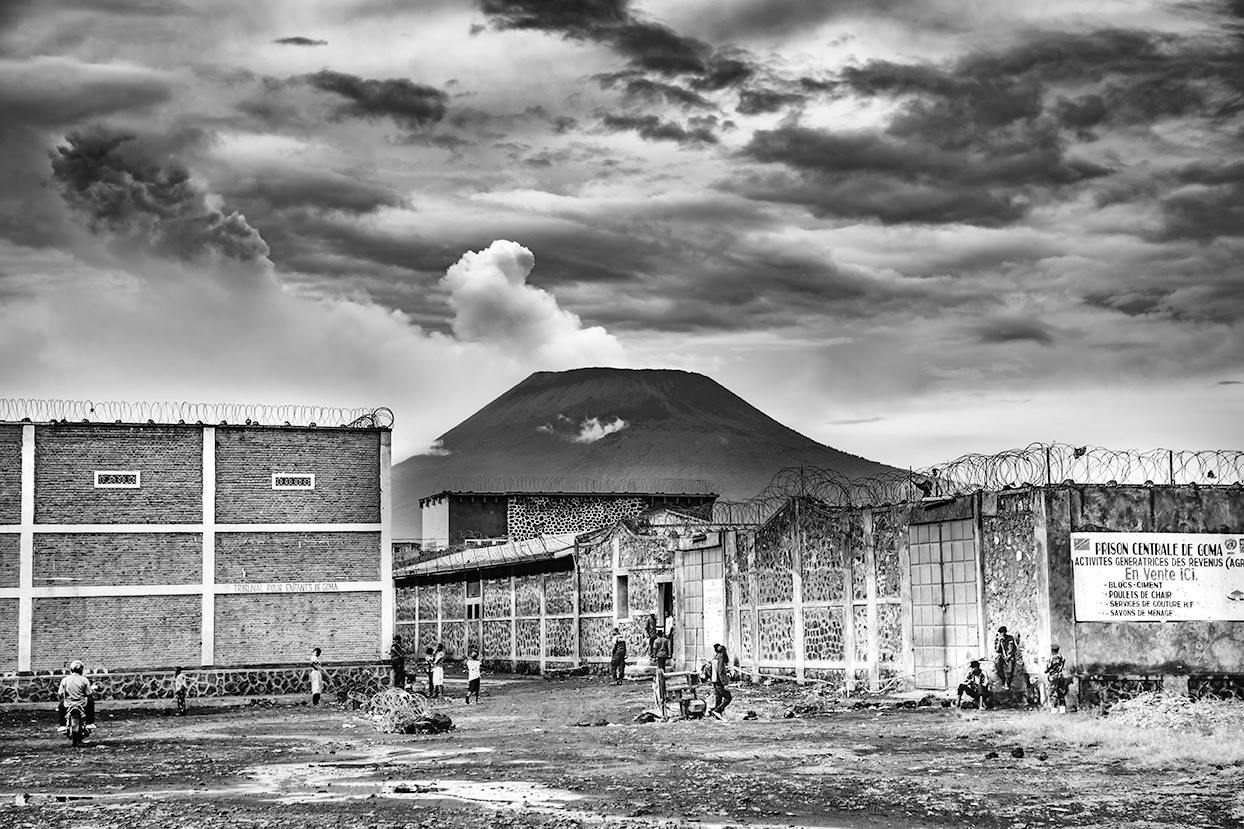
Detention conditions are another major cause for concern. The prison system is characterised by chronic overcrowding, severe unsanitary conditions and very limited access to water, food and healthcare.
At Makala Central Prison, overcrowding is estimated at around 1,000 per cent, with nearly 15,000 inmates for 1,500 places. At Ndolo, some cells house up to 260 people, with less than 1 m² per inmate. In this context, those sentenced to death face detention with no prospect of release, described by organisations as “death by neglect”. Several prisoners speak of profound psychological confinement:
“People are packed in like sardines to sleep… it’s a living hell.”
explains one of them
“I feel like I’m in a coffin”
another confides
The lack of any prospect of a trial fuels a silent psychological crisis, summed up by a prisoner in Kalemie:
“We are dead before we are even killed”
At a time when the DRC claims to want to strengthen its institutions and honour its international commitments, the report questions the compatibility between the use of an irreversible punishment and a judicial system described as deeply flawed.
Recommendations
Together Against the Death Penalty, Culture for Peace and Justice and their partners call on the Congolese authorities to move swiftly towards the abolition of the death penalty and to suspend any executions currently being prepared, where applicable.
They also call for the strengthening of international standards on fair trial, in particular the right to legal representation from the outset of proceedings, and for an end to practices of torture or coercive treatment.
Finally, they call for the guarantee of minimum conditions of detention for prisoners, as well as for greater transparency regarding data on the death penalty.
The United Nations and international partners are also invited to support these efforts and to back the establishment of an independent mechanism for the prevention of torture.
Key figures from the report
- +480 death sentences in 2024 (+300%)
- Nearly 1,000 people sentenced to death recorded
- Up to 1,450 people estimated to be on death row
- At least 4 women affected
- 30% of prisoners have been incarcerated for over 20 years
- Prison overcrowding of +1,000% at Makala
- Up to 260 people per cell in Ndolo, less than 1 m² per prisoner
Press contacts
ECPM
Aurélie Chatelard
achatelard@ecpm.org
+33 6 19 92 03 31
ECPM
Laura Crépin
lcrepin@ecpm.org
+33 6 01 78 50 15
To learn more