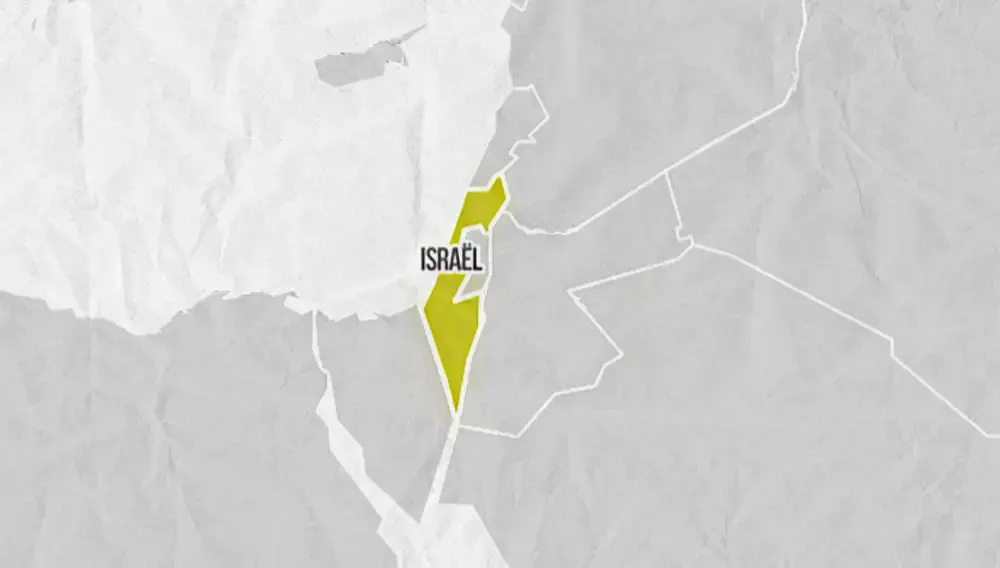

ECPM strongly condemns this reform as contrary to human rights, discriminatory and unconstitutional. This was not an overwhelming majority, and many voices in Israel have spoken out against the adoption of this law, which runs contrary to progress towards a rule of law that is more respectful of human rights. Until 2024, Israel had consistently voted in favour of the United Nations resolution calling for a moratorium on the use of the death penalty.
Under the new law, the death penalty could be carried out within 90 days of a final conviction, with a possible extension of up to 180 days.
ECPM hopes that the Constitutional Court will declare this law unconstitutional. As Raphaël Chenuil-Hazan, its director, states:
Today, we can only condemn this decision, but above all support all those in Israel who have mobilised and continue to work to ensure that this law is never applied in practice.
ECPM supports, in particular, the Association for Civil Rights in Israel (ACRI), which has filed an urgent appeal with the Supreme Court “seeking the revocation of the law on the grounds that it is unconstitutional, discriminatory in nature and, for Palestinians in the West Bank, adopted without legal basis”. Furthermore, the Knesset “has no power to legislate for the West Bank”, where Israel “exercises no sovereignty”.
The petition filed with the Supreme Court does not block the application of the law, which comes into force upon publication. This appeal does not have suspensive effect. As the law is not retroactive, it does not currently apply to any terrorism cases already tried and can only be applied to terrorist acts committed from now on, once legal proceedings have been completed, which will take time.
The court has asked the parties to respond to the application by 24 May, and a delay is possible.
ECPM calls on the international community to step up its efforts to urge states that have not abolished the death penalty for all crimes to do so, in order to prevent such setbacks.
ECPM has been warning of this risk for several years. Although the law has been passed, it could still be overturned on grounds of unconstitutionality, making it essential to continue campaigning.
For further information